
SC rules shape your claim.
SC WHUA coverage, wind deductibles, and ordinance endorsements drive your payout.
Know the rules before filing.
1-5%
Wind Deductible
30 Days
Filing Window

Hurricane Hugo's 1989 landfall exposed widespread roof-to-wall failures that directly shaped today's South Carolina wind code. Trueshelter Roof Repair provides emergency roof repair in South Carolina built around your exact wind zone and coastal or inland exposure.

South Carolina's coastal history directly shapes how strict its roofing code has become. Here's what actually drives emergency roof repair in South Carolina:
Coastal counties require design wind speeds of 130 to 160 mph under current ASCE 7-22 standards.
High-wind zones require six-nail shingle fastening patterns instead of the standard four-nail pattern.
The SC Wind and Hail Underwriting Association serves as insurer of last resort in eligible coastal counties.
Upstate inland counties see real hail activity, even outside the primary hurricane landfall corridor.
Trueshelter Roof Repair provides emergency roof repair services in South Carolina built around your exact wind zone and claims situation.
Fast roof repair services in South Carolina depend on crews already stationed near you, from the Upstate to the coastline.


Don't see your city? We cover surrounding areas too —
(877) 540-7783Wherever you are in South Carolina, Trueshelter Roof Repair can get a crew moving today.
South Carolina's roofing code stringency traces directly back to Hurricane Hugo's devastating 1989 landfall and the failures it exposed.
Hurricane Hugo caused roughly $7 billion in damage and exposed widespread roof-to-wall failures, directly prompting today's stronger wind provisions.
Coastal areas require six-nail application patterns for shingles instead of the standard four-nail pattern used inland.
Properties in FEMA V-zones face elevated structural performance thresholds for roof-to-structure connections under NFIP standards.
Roofs sloped between 2:12 and less than 4:12 require double underlayment under current IRC provisions.
South Carolina's damage patterns shift sharply between direct coastal hurricane exposure and genuine inland hail activity.
Coastal counties face design wind speeds of 130 to 160 mph, with events like Hugo and Matthew producing widespread structural failures.
Inland counties, particularly the Upstate, see hail events producing granule loss, bruising, and cracking, even without visible damage.
Storm breaches allow water intrusion that must be traced to a specific proximate cause for coverage.
Older homes without hurricane clips remain especially vulnerable to catastrophic wind uplift.
Roofs with an existing shingle overlay can hide deck damage that only becomes visible during a full tear-off.
SC WHUA coverage, wind deductibles, and ordinance endorsements drive your payout.
Know the rules before filing.

The Wind and Hail Underwriting Association provides coverage for eligible coastal properties when private carriers decline to write the risk.

Wind and hurricane deductibles commonly run 1 to 5 percent of your dwelling's insured value, not a flat dollar amount.

Carriers increasingly move aging roofs to Actual Cash Value coverage at renewal, reducing future settlement amounts.

Code-upgrade costs triggered by a repair are only covered if this specific endorsement is in force on your policy.

Most South Carolina claims should be filed within 30 days of discovering damage, though emergency orders can extend deadlines after major storms.
South Carolina's roofing risk concentrates around hurricane season, though the Upstate sees its own distinct hail season too.
The coast faces its highest wind and storm surge risk, driving the majority of coastal repair calls.
The Upstate sees its heaviest hail activity, distinct from the coastal hurricane corridor.
Occasional wind events add risk statewide between the two warmer-season peaks.
From same-day tarping after a hurricane to full V-zone documentation, Trueshelter Roof Repair covers every service South Carolina homeowners need.
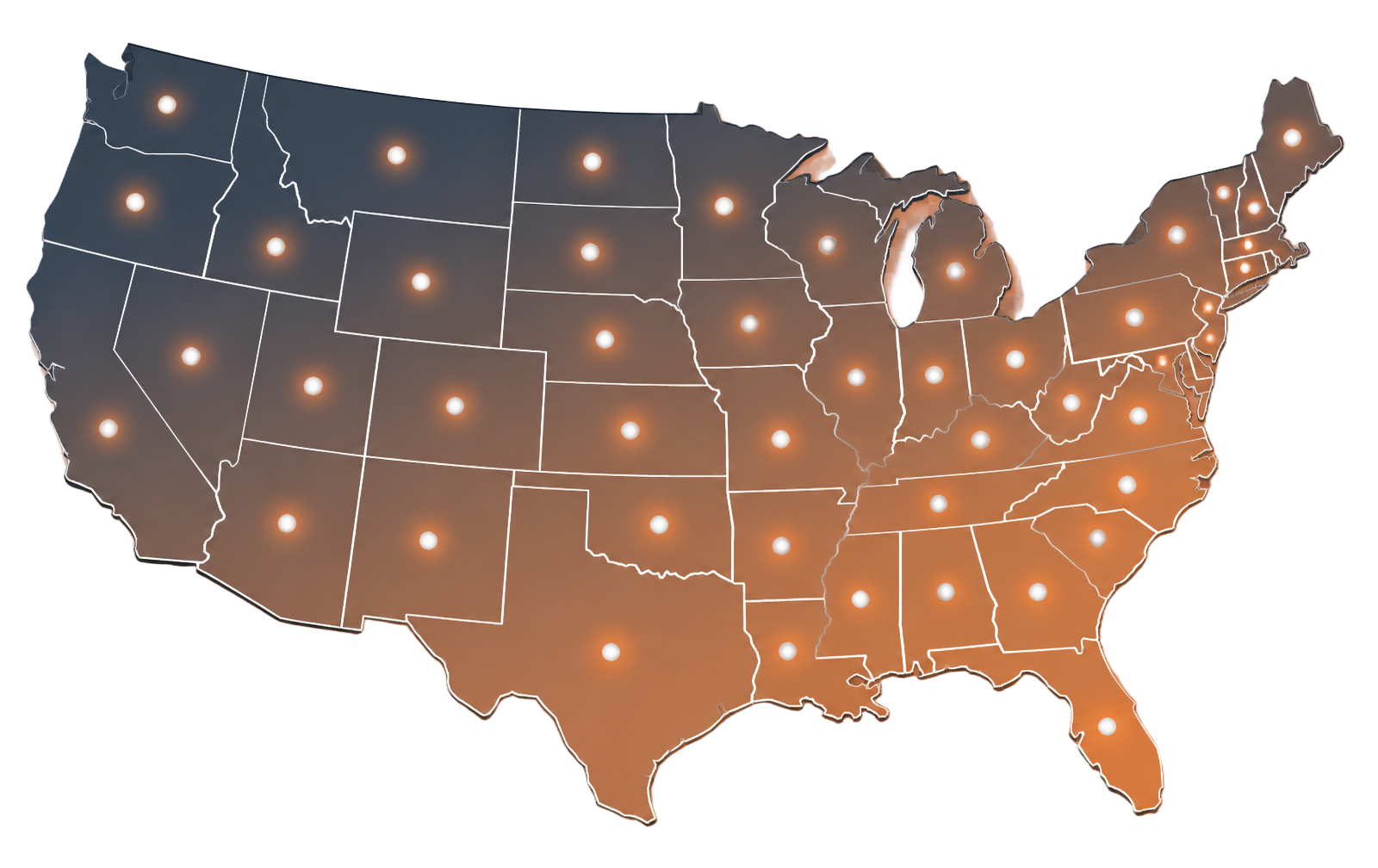
Every state has its own building codes, insurance carriers, and storm patterns. Trueshelter Roof Repair dispatches trained crews across the country, wherever the damage hits.
Whichever service fits your situation, our South Carolina team can help today.
South Carolina's post-Hugo wind code and coastal insurance system take real expertise to navigate, and that's what we built our process around.
Every coastal repair meets the enhanced high-wind fastening pattern current code requires.
We understand coastal insurer-of-last-resort documentation and claims requirements.
Crews trained for both coastal hurricane exposure and inland hail activity.
From the Upstate to Columbia to the coast, one team covers it all.
Crews respond around the clock, including nights, weekends, and holidays, statewide.
The same team handles assessment, documentation, and repair, with no handoffs.
Wherever you are in South Carolina, and whatever caused the damage, Trueshelter Roof Repair builds every repair around your exact wind zone and exposure.
Tell us about your project and your zip code, and we will match you with vetted local pros. It only takes a minute.