
Virginia rules shape your claim.
Wind coverage, roof age, and directional documentation drive your payout.
Know the rules before filing.
130 mph
Coastal Design Wind
24/7
Dispatch

Virginia's Coastal Plain faces 130 mph design wind speeds within 1,500 feet of open water, while the Allegheny Highlands deal with genuine ice dam risk instead. Trueshelter Roof Repair provides emergency roof repair in Virginia built around your exact region's exposure.

Virginia's geography spans a hurricane-exposed coastline and a genuinely cold western highlands region. Here's what actually drives emergency roof repair in Virginia:
The Coastal Plain, including Virginia Beach and Norfolk, faces design wind speeds reaching 130 mph near open water.
Allegheny Highlands and Shenandoah Valley localities require ice barrier underlayment due to real freeze-thaw exposure.
Northern Virginia sees occasional derecho events with sustained wind speeds exceeding 90 mph.
Virginia contractors need a Class A, B, or C license through DPOR based on project value.
Trueshelter Roof Repair provides emergency roof repair services in Virginia built around your exact wind zone and climate exposure.
Fast roof repair services in Virginia depend on crews already stationed near you, from Hampton Roads to Northern Virginia.


Don't see your city? We cover surrounding areas too —
(877) 540-7783Wherever you are in Virginia, Trueshelter Roof Repair can get a crew moving today.
Virginia's Residential Code adopts the IRC with real regional amendments tied to wind exposure and elevation.
Structures within 1,500 feet of open water on the Coastal Plain require design wind speeds up to 130 mph under ASCE 7.
IECC Zone 5A localities, including the Allegheny Highlands and portions of the Shenandoah Valley, require ice barrier underlayment extending 24 inches inside the wall line.
The VRC requires minimum Class C fire-rated roofing for most residential occupancies, with Class A required in designated wildland-urban interface zones.
Roofing contractors need Class A, B, or C licensure through the Department of Professional and Occupational Regulation, tied to project value.
Virginia's damage patterns shift dramatically between hurricane-exposed coastal counties and the colder western highlands.
Coastal and Tidewater regions face direct wind exposure that can strip roofing and drive rain underneath intact shingles.
Northern Virginia sees occasional derecho events exceeding 90 mph, along with frequent severe thunderstorms.
Western highlands and Shenandoah Valley communities see freeze-thaw cycles that drive frequent ice dam claims.
Prevailing storm tracks from the west mean west-facing roof slopes often absorb the initial force of a storm.
Homes older than 15 years face closer scrutiny from adjusters distinguishing storm damage from wear.
Wind coverage, roof age, and directional documentation drive your payout.
Know the rules before filing.

Wind damage is covered on virtually every Virginia homeowners policy, though scope and payout depend on policy type and documentation.

If an adjuster determines shingles were already deteriorated, the claim may be denied as ordinary wear and tear.

Replacement Cost Value pays full replacement, while Actual Cash Value subtracts depreciation based on your roof's age.

Some policies cover code-required upgrades like ice and water shield or synthetic underlayment when repairs trigger compliance.

Photos showing damage on the storm-facing slope support a stronger claim than general roof photos alone.
Virginia's roofing risk shifts by region, with hurricane season dominating the coast and ice season hitting the highlands hardest.
The Coastal Plain and Tidewater region face their highest wind and storm surge risk.
Northern Virginia sees frequent severe storms and occasional derecho activity.
The Allegheny Highlands and Shenandoah Valley see the season's highest ice-related repair volume.
From same-day tarping after a hurricane to full ice barrier documentation, Trueshelter Roof Repair covers every service Virginia homeowners need.
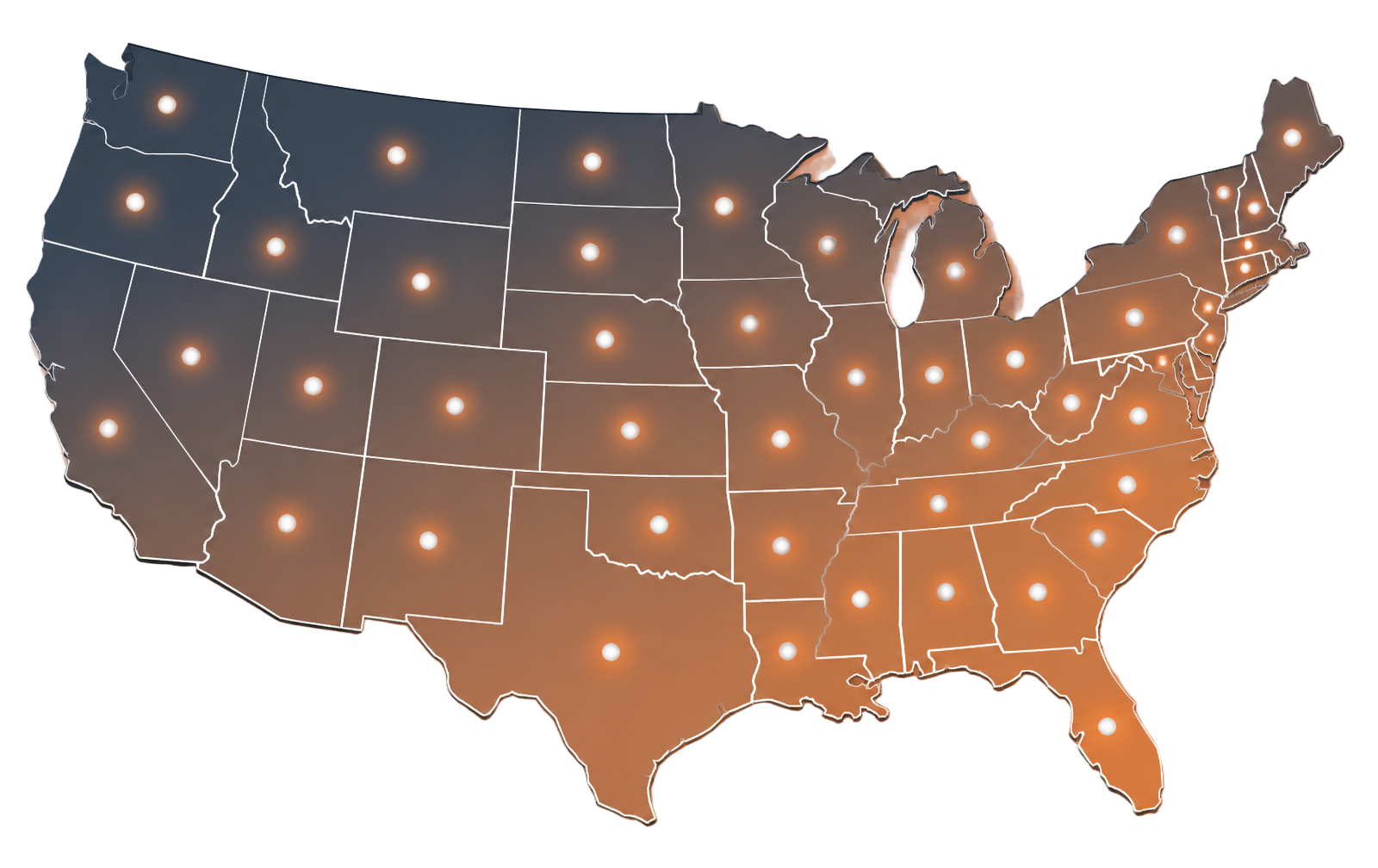
Every state has its own building codes, insurance carriers, and storm patterns. Trueshelter Roof Repair dispatches trained crews across the country, wherever the damage hits.
Whichever service fits your situation, our Virginia team can help today.
Virginia's coastal wind exposure and mountain ice risk take genuinely different expertise, and that's exactly what we built our process around.
Every repair meets Virginia Department of Professional and Occupational Regulation licensing standards.
Crews trained specifically for Wind Exposure Category D fastening requirements.
Materials and installation matched to IECC Zone 5A freeze-thaw exposure.
From Hampton Roads to Northern Virginia to the highlands, one team covers it all.
Crews respond around the clock, including nights, weekends, and holidays, statewide.
The same team handles assessment, documentation, and repair, with no handoffs.
Wherever you are in Virginia, and whatever caused the damage, Trueshelter Roof Repair builds every repair around your exact region's wind and climate exposure.
Tell us about your project and your zip code, and we will match you with vetted local pros. It only takes a minute.